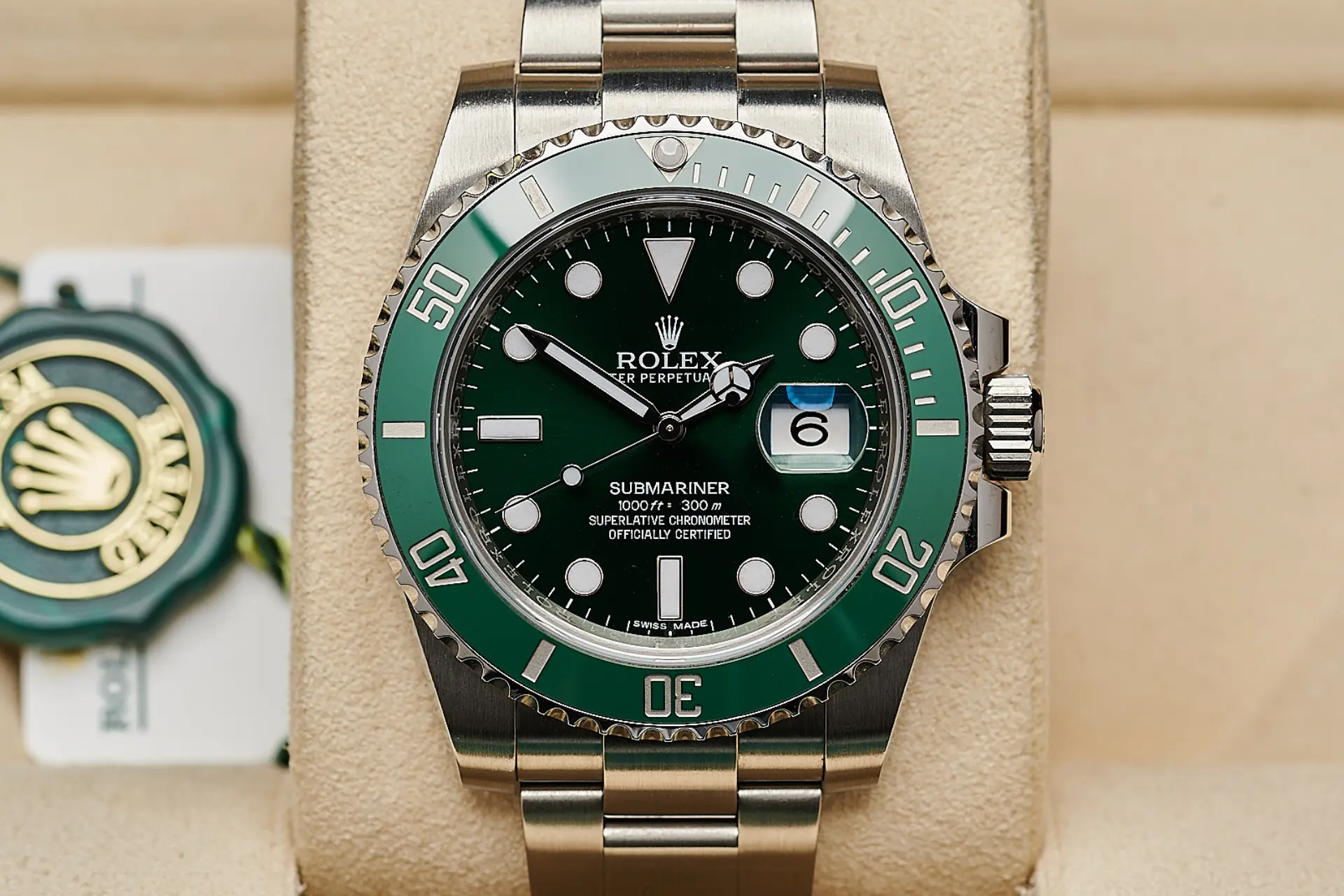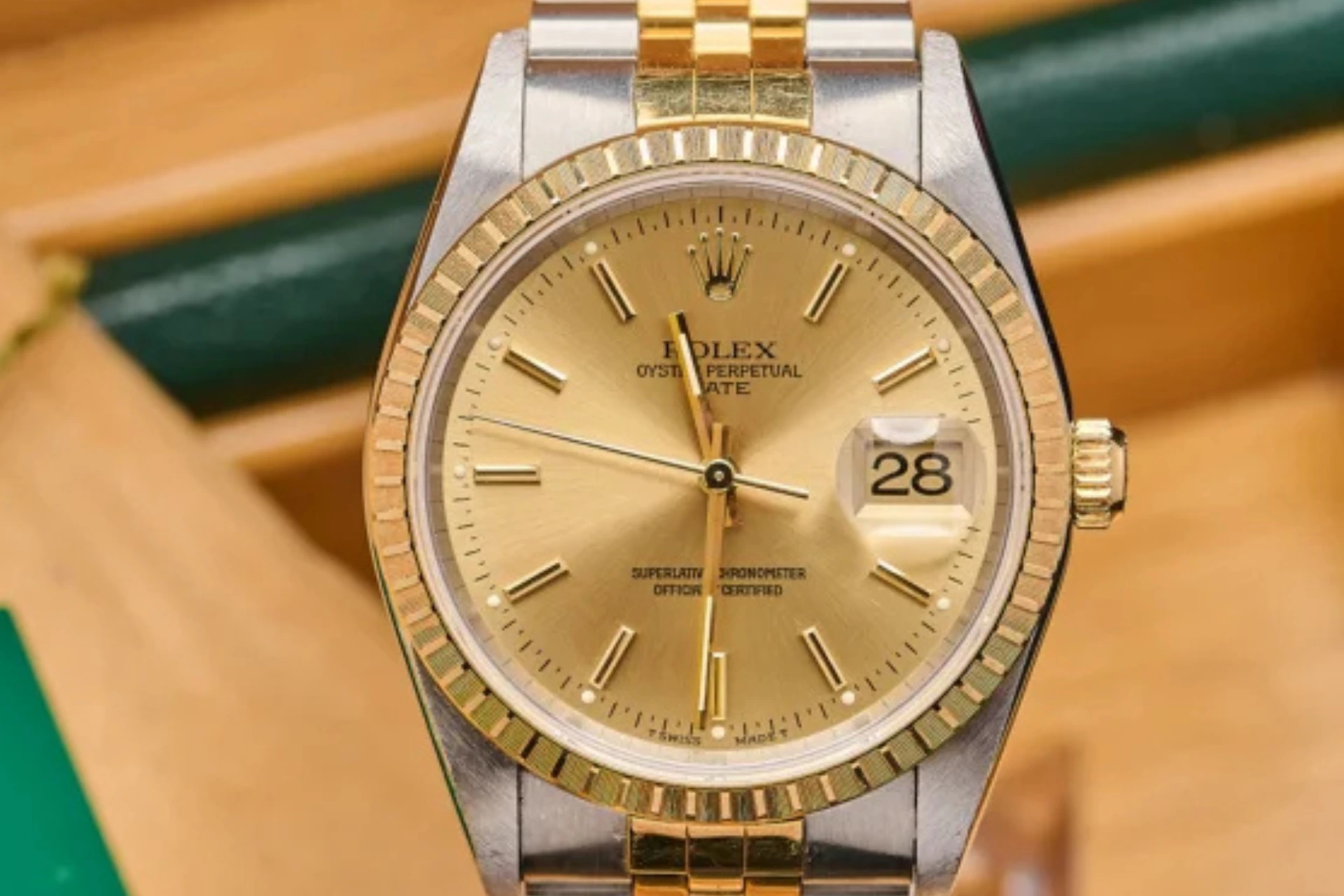
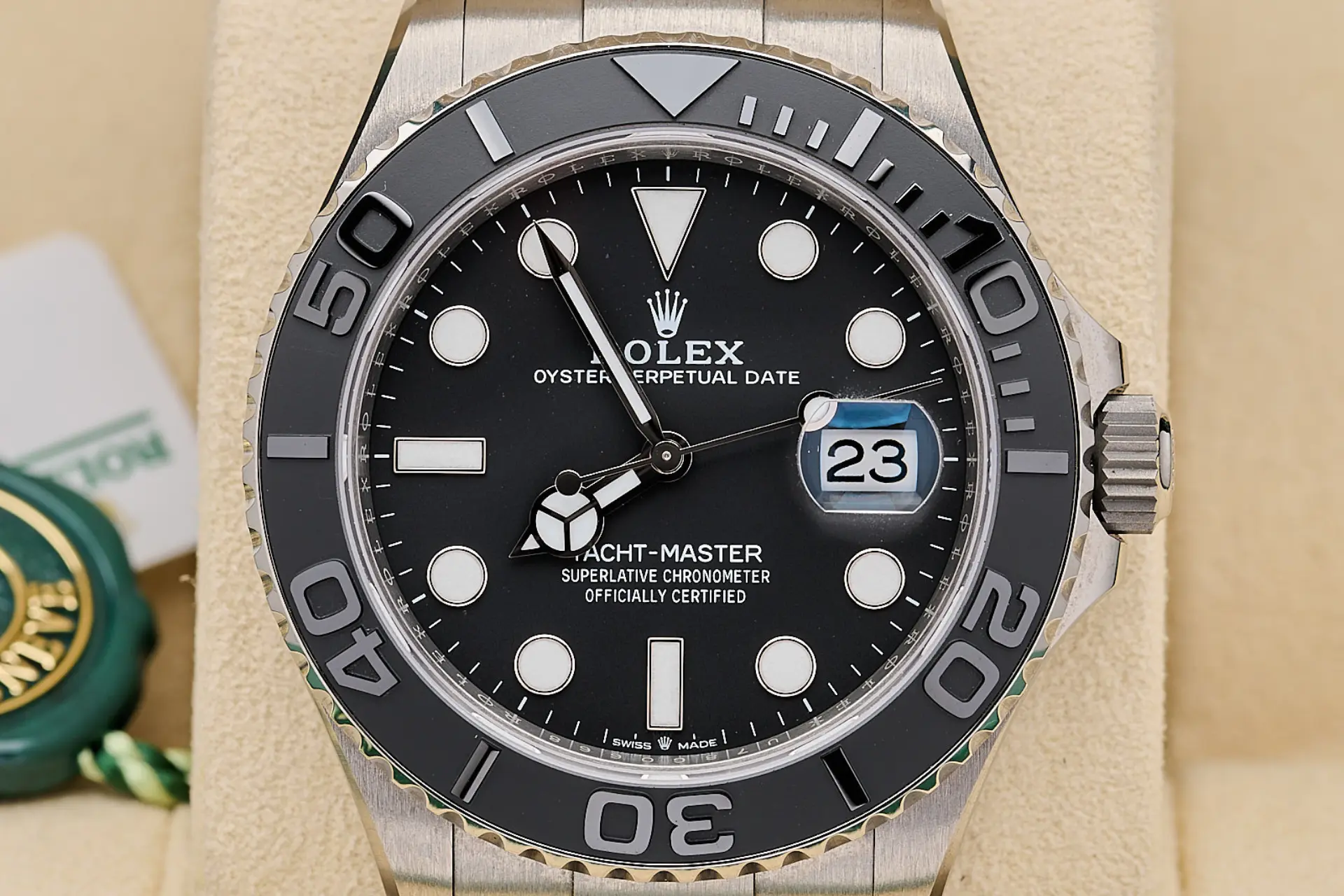
Introduction – Why the Price of Rolex Sparks So Much Curiosity
Rolex is one of the most recognisable luxury brands in the world. Even people with little interest in watches understand that a Rolex carries status, prestige, and a significant price tag. For many buyers, this naturally leads to one question: why are Rolex watches expensive?
With entry-level models often costing several thousand pounds and rare pieces reaching six figures, Rolex pricing can seem difficult to understand at first glance. Some assume the cost is driven purely by branding, while others believe there must be more behind the price.
The reality sits somewhere in between. Rolex watches are expensive because of a combination of craftsmanship, materials, innovation, heritage, and demand. In this guide, we break down every key reason behind Rolex pricing, helping you understand exactly what you are paying for — and why so many people believe it is worth it.
The History Behind Rolex’s Prestige
Rolex was founded in 1905 by Hans Wilsdorf, at a time when wristwatches were not widely trusted. Pocket watches were the norm, and many believed wristwatches were too fragile and inaccurate for serious use. Wilsdorf set out to challenge that belief.
From the beginning, Rolex focused on precision and reliability. In 1910, Rolex became the first wristwatch to receive a Swiss Certificate of Chronometric Precision. Just a few years later, it earned a Class A precision certificate from the Kew Observatory in the UK, a standard previously reserved for marine chronometers.
Throughout the 20th century, Rolex continued to build its reputation through real-world performance. The brand introduced the first waterproof wristwatch case, developed watches for professional divers and pilots, and supported explorers pushing human limits. These achievements were not marketing stunts — they were functional breakthroughs.
This long history of innovation and reliability has created immense trust in the brand. When buyers pay for a Rolex today, they are paying for over a century of proven excellence.
Craftsmanship and Quality Control
One of the biggest reasons Rolex watches are expensive is the way they are made. While Rolex uses modern technology, human skill remains at the heart of production. Movements are assembled, adjusted, and inspected by trained watchmakers, not simply machines.
Each Rolex movement contains hundreds of components that must work in perfect harmony. Even the smallest imperfection can affect accuracy or longevity. This level of precision requires time, expertise, and experience — all of which increase cost.
Quality control is equally demanding. Every Rolex is tested far beyond standard industry requirements. After external chronometer certification, completed watches undergo extensive in-house testing for accuracy, power reserve, waterproofing, and durability.
Only watches that meet Rolex’s strict “Superlative Chronometer” standards are approved for sale. This obsessive attention to detail ensures consistency and reliability but significantly increases production costs.
Premium Materials and Manufacturing Standards
Rolex does not use off-the-shelf materials. Instead, the brand controls its own material production, including operating an in-house foundry. This allows Rolex to create proprietary metals that meet exact standards.
Oystersteel, used for Rolex steel models, is exceptionally corrosion-resistant and maintains its finish better than conventional stainless steel. Gold models use 18ct gold produced internally, including Rolex’s exclusive Everose gold, designed to resist fading over time.
Rolex also uses scratch-resistant sapphire crystals and Cerachrom ceramic bezels. These bezels are virtually fade-proof, highly durable, and engineered to look new even after years of wear.
These materials are far more expensive to produce and work with than those used in lower-priced watches, but they dramatically increase durability and longevity.
In-House Movements and Ongoing Innovation
Unlike many watch brands, Rolex designs, manufactures, and assembles its movements entirely in-house. This level of vertical integration is rare and costly, but it allows Rolex complete control over quality and performance.
Rolex movements are not designed to impress with unnecessary complexity. Instead, they prioritise reliability, efficiency, and ease of servicing. This makes them ideal for daily wear and long-term ownership.
The brand also invests heavily in research and development. Rolex holds hundreds of patents covering innovations such as improved shock resistance, winding efficiency, and enhanced power reserves. These improvements often happen quietly, without changing the watch’s appearance, but they significantly improve performance.
This constant innovation adds to production costs and helps explain why Rolex watches remain expensive.
Durability, Reliability, and Everyday Performance
Rolex watches are designed to be worn, not stored away. Every component is built to withstand daily use, whether in the office, while travelling, or during physical activity.
Oyster cases protect movements from water and dust, while internal components are designed to resist shock and magnetism. Many Rolex watches maintain excellent accuracy even decades after purchase, provided they are serviced correctly.
This durability is one of Rolex’s greatest strengths. Many owners pass their watches down through generations, something rarely possible with cheaper alternatives.
Designing a watch to last a lifetime – rather than a few years – inevitably increases cost, but it also adds genuine long-term value.
Brand Power, Prestige, and Global Recognition
Rolex is more than a watchmaker; it is a global symbol of success. The brand is recognised and respected across cultures, industries, and generations. This recognition plays a significant role in pricing.
Brand power is built through consistency. Rolex does not chase trends or flood the market with new designs. Instead, it reinforces the same values year after year: precision, reliability, and excellence.
This careful positioning strengthens trust and desirability. In the luxury market, brand equity has real financial value, and Rolex has more of it than almost any competitor.
Supply, Demand, and Market Scarcity
Rolex produces fewer watches than demand requires. This is not accidental. The brand prioritises quality over quantity and limits production to maintain standards.
As a result, waiting lists for popular models are common at authorised dealers. In many cases, demand is so high that buyers turn to the secondary market, where prices often exceed retail.
Scarcity increases desirability. When buyers know a watch is difficult to obtain, it becomes more valuable. This imbalance between supply and demand is a major reason Rolex watches remain expensive.
Rolex Watches as a Store of Value
Unlike most luxury purchases, Rolex watches often retain their value exceptionally well. Some models even appreciate over time, especially those with limited availability or strong collector demand.
This strong resale performance reduces the long-term cost of ownership. Buyers know that if they choose to sell in the future, they are unlikely to suffer significant losses.
The pre-owned Rolex market is one of the strongest in the luxury watch industry. Buyers trust the brand’s durability, authenticity, and global demand, even for watches that are decades old.
Marketing, Heritage, and Timeless Design
Rolex’s marketing strategy is subtle but powerful. Rather than focusing on fashion, the brand aligns itself with achievement, exploration, and excellence. Sponsorships range from elite sports to scientific expeditions.
Design plays an equally important role. Rolex watches evolve slowly, preserving familiar shapes and proportions. This consistency protects resale value and reassures buyers that their watch will never look outdated.
Timeless design reduces risk for buyers – and that confidence adds value.
Are Rolex Watches Worth the Money?
Whether a Rolex is worth the money depends on what you value. If you are looking for short-term trends or novelty, other brands may suit you better.
However, if you value reliability, durability, prestige, and long-term value, Rolex stands apart. Few luxury items offer the same balance of emotional appeal and financial security.
For many owners, a Rolex is not just a watch. It is a milestone, an heirloom, and a reliable companion for decades.
Why Buy Your Rolex from Motion Watches
We specialise in luxury watches, including highly sought-after Rolex models. Our experience allows us to source, assess, and value Rolex watches with complete confidence.
Every watch we offer is carefully authenticated and inspected. We price based on real market data, ensuring transparency and fairness whether you are buying or selling.
Our approach is personal and pressure-free. We take the time to understand your needs and provide honest guidance, helping you make an informed decision you can feel confident about.
Make an Enquiry with Motion Watches
Whether you are looking to buy your first Rolex, upgrade your collection, or sell an existing piece, Motion Watches offers a discreet and professional service.
If you would like expert advice or want to discuss a specific model, make an enquiry today and speak directly with our specialists.
Final Thoughts – The True Cost of a Rolex Watch
Rolex watches are expensive because they are built to exceptional standards. From in-house movements and premium materials to durability, heritage, and resale value, every element contributes to the price.
When you buy a Rolex, you are not just purchasing a watch. You are investing in craftsmanship, history, and lasting value. And when you choose Motion Watches, you do so with confidence, expertise, and trust.